Brockley Road removals tips for tight driveways man and van
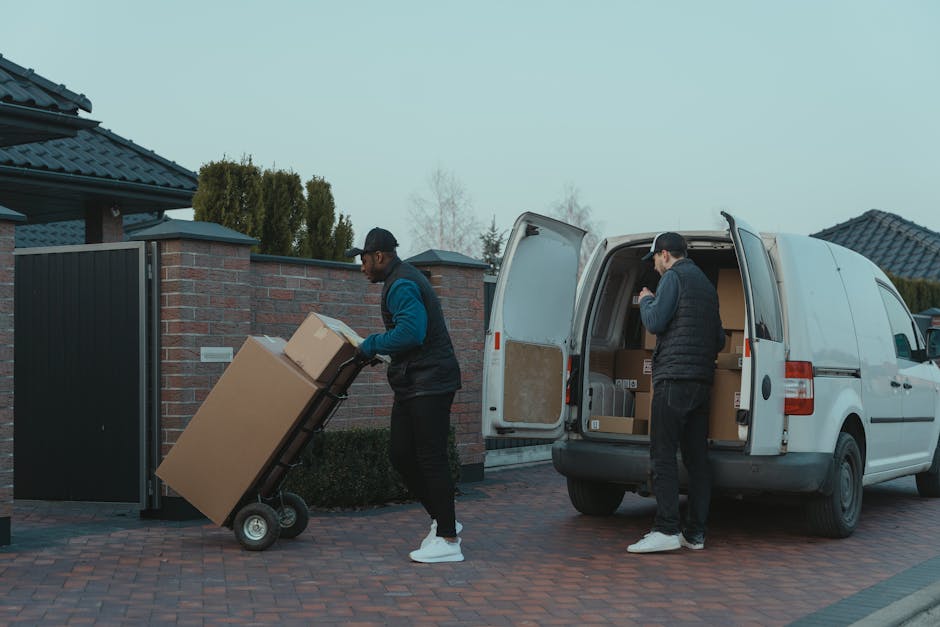
If you are moving on or near Brockley Road, the driveway is often the real challenge, not the sofa. Tight access, narrow kerbs, awkward turning space, and the usual South London mix of parked cars can turn a simple move into a bit of a puzzle. These Brockley Road removals tips for tight driveways man and van are designed to help you plan the job properly, reduce stress, and avoid the sort of last-minute scramble that nobody enjoys.
Truth be told, the best removals are usually the ones that look uneventful. The van turns up, the loading is tidy, the path stays clear, and nobody has to wedge a wardrobe around a gate post at 7:30 in the morning. In this guide, you will find practical advice on access checks, parking strategy, packing, lifting, and choosing the right service for a move where space is limited. If you want a broader overview of the moving process too, you may find the site's man and van and removal services pages useful alongside this article.
It is written for people who need a clear plan, not fluffy reassurance. Let's get into it.
Why Brockley Road removals tips for tight driveways man and van Matters
Moving from a property with tight driveway access changes the whole shape of the day. A van that would be ideal on an open street can suddenly feel far too large once you are trying to reverse, unload, and keep neighbours happy. On busy roads, the main risks are delay, blocked access, accidental damage, and avoidable lifting over longer distances than necessary.
The difference between a smooth move and a frustrating one is usually planning. A few minutes spent checking the width of the driveway, the angle of the entrance, where the van can safely stop, and whether a second vehicle will be in the way can save a lot of trouble later. You do not need a military operation. Just a realistic one.
This matters even more with a man and van setup because the service is often chosen for flexibility. That flexibility works best when the access plan matches the vehicle size, the load size, and the moving route from front door to van. If one of those parts is off, things get slower very quickly.
Expert summary: For tight-driveway removals, the aim is not just to "fit the van in". The real goal is to create a safe, short, and predictable loading route that protects your belongings, the property, and everyone involved.
How Brockley Road removals tips for tight driveways man and van Works
The process usually starts before moving day. A good mover will ask about access, stairs, parking, and any awkward items early on. If you are arranging the move yourself, do the same. Think of it as route planning for one very busy morning.
In practice, the move may work in one of three ways:
- The van can park directly outside, with no serious restrictions, and loading is done in short, direct runs.
- The van parks slightly away from the property, which means a short carry distance but still manageable access.
- The van cannot get close at all, so you need a clear hand-carry route, more time, and very careful packing to avoid repeated trips.
That third option is where people often underestimate the job. A small driveway does not always mean a small move. If the item list includes heavy wardrobes, awkward beds, large mirrors, or anything fragile, the team may need extra hands or a more staged loading approach. In some cases, using flat removals or even storage can help break the job into easier parts when access is especially awkward.
There is also a practical side to vehicle choice. A smaller van can sometimes complete the move more efficiently than a larger one that spends ten minutes trying to turn around in a narrow spot. Smaller is not always better, of course, but the right-sized vehicle is often the smartest choice. And yes, that sounds obvious after the fact.
Key Benefits and Practical Advantages
Working around a tight driveway is not just about avoiding hassle. Done well, it gives you real advantages.
- Less risk of damage: Shorter carry distances mean fewer chances to scrape walls, knock doorframes, or bump furniture.
- Faster loading: A sensible parking position saves time and keeps the move moving.
- Lower stress: You are not improvising under pressure while holding a mattress and trying not to block traffic.
- Better protection for belongings: Items are less likely to be repeatedly lifted, put down, and lifted again.
- More control on the day: When access is planned, the team can focus on the move itself instead of problem-solving every ten minutes.
There is also a financial angle. Delays and extra handling can increase labour time, which may affect the overall cost depending on how the service is priced. If you want to compare service details and booking expectations, the site's pricing and quotes page is a sensible place to start.
For many local moves, especially smaller homes, studios, or student properties, the combination of a practical vehicle and good pre-planning gives the best result. That is why services like student removals and home moves are often a neat fit for this kind of access challenge.
Who This Is For and When It Makes Sense
This approach makes sense for anyone dealing with limited vehicle access, but it is especially useful if you are:
- moving from a terrace, maisonette, or flat with a narrow front path
- living on a road where parking is already tight
- moving bulky furniture or fragile items through a constrained entrance
- organising a same-day move and need everything to run efficiently
- handling a small office, studio, or one-bed property move
It also makes sense if you are comparing different levels of support. Some people want a straightforward man with a van arrangement for a lighter load. Others need broader removals support because the access is tight but the item list is not small. Different jobs, different tools. Simple as that.
If you are moving a specialist item like a piano or a very large cabinet, a tight driveway can become a major issue rather than a minor one. In those cases, it is worth looking at the details of piano removals or furniture removals well before the day of the move.
Step-by-Step Guidance
Here is a practical way to prepare a move when driveway access is tight.
1. Measure the access properly
Do not just guess. Measure the width of the driveway entrance, the gate opening, and any narrow points along the route to the front door. Also note turning space, kerb height, and whether a van can line up squarely or will need to angle in. A few centimetres can matter more than you think.
2. Check for obstacles early
Look out for bins, planters, low walls, overhanging branches, bikes, and cars that may need moving. If neighbours usually park close to your frontage, assume you will need to plan around that rather than hope for an empty space.
3. Decide where the van will actually stop
Sometimes the safest answer is not directly outside the property. A van parked a little further along the road may create a better hand-carry route than a risky, awkward reverse into a tight spot. The goal is efficient loading, not just proximity.
4. Pack for easier handling
Use smaller, stronger boxes for heavy items and avoid overfilling them. Pack fragile items separately and label them clearly. If you are unsure how to balance protection with carry weight, packing and boxes guidance can help you think it through in a more organised way.
5. Create a clean loading path
Remove loose rugs, shoes, obstacles, and anything else that can trip people up. If the path goes through a hallway or around a corner, give yourself room to turn. Tight spaces feel even tighter when a mattress is swinging about. Not ideal.
6. Load the van in the right order
Heavy, sturdy items usually go in first. Fragile items, soft furnishings, and boxes that need careful stacking go on top or toward the end. A good order reduces shifting and keeps the load balanced, which matters more when the vehicle has to stop, reverse, or manoeuvre in a narrow area.
7. Keep communication simple on the day
One person should ideally direct the loading plan. If everyone is giving instructions at once, things get messy. Decide who speaks to the driver, who checks the items off, and who watches for clearances at the driveway.
Expert Tips for Better Results
After plenty of awkward loading days, a few patterns become obvious.
First, book a smaller van if access is uncertain. People often assume a larger vehicle gives better value because it can carry more. That is true only if it can actually get in and out without drama. A well-sized van can be quicker and safer than a bigger one that spends ages trying to position itself.
Second, plan for the carry distance, not just the distance from the road. A ten-metre carry sounds short on paper. In real life, with a sofa on one end and a slope on the other, it can be hard work. If the weather is wet, even more so. A damp driveway in winter is nobody's favourite.
Third, protect the property as well as the furniture. Doorways, banisters, and corner walls are often the first things to take a knock. A blanket, card protector, or floor covering can make a surprisingly big difference. If your mover offers careful handling as part of a broader removal services approach, that is worth taking seriously.
Fourth, be realistic about timing. A tight driveway move usually takes longer than a standard one. If you are juggling work, childcare, or a key handover, build a bit of breathing room into the schedule. Rushing never helps. Never.
Fifth, ask about insurance and safety before anything is lifted. It is sensible to understand how items are covered and what the moving team's safety approach looks like. The site's insurance and safety information is relevant here, and the health and safety policy gives a useful sense of the standards expected.
Common Mistakes to Avoid
The same issues crop up again and again on tight-access moves.
- Not measuring the access. "It should fit" is not a plan.
- Leaving cars in the way. Especially your own car. Yes, it happens.
- Packing boxes too heavily. Heavy boxes become slower, harder, and more dangerous to carry.
- Trying to reverse by guesswork. If there is any uncertainty, stop and re-check.
- Forgetting the route inside the property. A narrow front path is only half the problem if the hallway is cluttered too.
- Booking the wrong type of vehicle. Too large can be as troublesome as too small.
- Assuming every item can be carried the same way. Sofas, wardrobes, mirrors, and appliances need different handling.
One of the more expensive mistakes is underestimating the time needed. When the schedule is too tight, people start cutting corners, and that is where damage tends to happen. A little patience, awkwardly enough, is one of the best moving tools you have.
Tools, Resources and Recommendations
You do not need a warehouse full of kit, but a few simple tools make tight-driveway removals much easier:
- Measuring tape for driveway width, gate openings, and furniture dimensions
- Furniture blankets to protect wood, paintwork, and polished surfaces
- Straps or webbing to keep larger items stable in transit
- Marker pens and labels so boxes are easy to identify and stack
- Gloves with grip for handling awkward items safely
- Door protection or floor covering if the route is especially narrow
If you need help deciding what level of support is sensible, removal van and man with van pages can help frame the sort of setup that suits smaller, tighter access moves. For larger or more complex jobs, moving truck and removal truck hire may be more appropriate, though only if the access allows it.
And if the move exposes a lot of clutter you no longer want to keep, it can be worth separating disposal from relocation. The site's furniture pick up service is a sensible option for unwanted pieces that should not come along for the ride.
Law, Compliance, Standards, or Best Practice
For most domestic moves, the practical priority is safe access and sensible loading. That said, there are a few best-practice points worth keeping in mind in the UK context.
First, parking and obstruction rules can matter a great deal on busy residential roads. If a van blocks a pavement, driveway, or traffic lane, it can create inconvenience and possible enforcement issues. Exact local rules vary, so it is wise to plan conservatively and avoid assuming a quick stop will be fine.
Second, safe lifting is not optional. Movers should use proper handling techniques, work in pairs when an item is awkward, and stop if a load feels unsafe. Tight spaces increase risk because there is less room to adjust posture and grip.
Third, insurance and fair terms matter. Before booking, it is sensible to check what the service covers, how delays are handled, and what happens if access turns out to be more restricted than expected. The site's terms and conditions and payment and security pages are useful for understanding the service framework.
Finally, if you are moving office equipment or business stock, the expectations can be a little different from a straightforward domestic move. In that setting, commercial moves and office removals may be the more relevant service pages to review.
Options, Methods, or Comparison Table
When driveway access is tight, the main question is usually which moving method gives the best mix of control, speed, and safety. Here is a simple comparison.
| Option | Best for | Strengths | Limitations |
|---|---|---|---|
| Small man and van | Light to medium moves with awkward access | Flexible, easier to position, often quicker on narrow streets | May require more trips if the load is large |
| Larger van | Moves with enough street space and heavier volume | More carrying capacity, fewer trips | Can be harder to park, reverse, or turn on tight driveways |
| Full removals support | More complex moves with fragile or bulky items | More manpower and handling support | Can cost more and still depends on access quality |
| Split move with storage | Staggered moves or renovation-related delays | Reduces pressure on a cramped move day | Requires extra planning and an additional step |
For many Brockley Road properties, the sweet spot is a modest vehicle, careful packing, and a realistic loading plan. If you are moving a small household or a student flat, that often works brilliantly. If you are moving an entire family home, the equation changes quickly.
Case Study or Real-World Example
Here is a realistic example, without pretending every move looks exactly like this.
A couple moving from a Victorian terrace near Brockley Road had a narrow driveway, a front gate that opened inward, and a parked car across part of the frontage. On paper, the job looked straightforward. In practice, the driveway only worked if the van stopped just beyond the gate line rather than trying to reverse all the way in.
The team split the move into stages. First came the heavy, stable items: bed frame, drawers, and a table. Then the boxes, then the fragile items at the end. They protected the doorway, kept the route clear, and used shorter carry runs rather than making everyone weave around each other. It was not flashy, just organised.
The main win was time. Because the access plan was sorted early, nobody had to improvise under pressure. The couple also avoided damage to the wall by the side gate, which had been the obvious weak point. Small detail, big difference.
That is usually how tight-driveway jobs go when they go well. Not perfect. Just calm, sensible, and a bit boring in the best possible way.
Practical Checklist
Use this before moving day.
- Measure the driveway width, gate opening, and any narrow turns
- Check where the van can safely stop
- Move cars, bins, bikes, and planters out of the way
- Label fragile and heavy boxes clearly
- Pack heavy items into smaller boxes
- Protect floors, doors, and wall corners
- Confirm the item list and any awkward furniture
- Allow extra time for loading and access
- Check insurance, safety, and terms before booking
- Have one person coordinate the move on the day
If you are still preparing the contents of the move, the site's packing and unpacking services may also be worth considering, especially if you want a smoother handover on a tight schedule.
Conclusion
Tight driveways do not have to make removals stressful, but they do demand a better plan. The best Brockley Road removals tips for tight driveways man and van are simple: measure properly, choose the right vehicle, keep the route clear, pack intelligently, and do not rush the loading process. Once those basics are in place, the rest becomes much more manageable.
A good move in a cramped space is rarely about brute force. It is about judgement, timing, and a few small decisions that protect both the property and your energy levels. A little bit of preparation goes a long way. Honestly, more than people expect.
Get a free quote today and see how much you can save.
Frequently Asked Questions
What is the best van size for a tight driveway move?
The best van size is usually the smallest one that can safely carry your load. If access is restricted, a more compact vehicle can be easier to position and quicker to load than a larger van that struggles to manoeuvre.
How do I know if my driveway is too tight for a van?
Measure the entrance width, turning space, and gate clearance, then compare that with the vehicle dimensions the mover plans to use. If there is any doubt, a quick access check is better than assuming it will work on the day.
Should I leave my car on the driveway during the move?
No, not if it limits access. Even a parked car that seems out of the way can make reversing, unloading, or turning much harder. Moving your car beforehand often saves time and reduces stress.
How much extra time should I allow for a tight driveway removal?
It depends on the property, the item list, and the carry distance, but it is wise to allow more time than you would for a standard curbside load. Tight access usually slows things down a little, sometimes more than people expect.
Is a man and van better than a full removals team for tight access?
Not always. A man and van can be ideal for smaller loads and awkward access, but a larger move may need more hands. The right answer depends on volume, item type, and how difficult the route is from door to vehicle.
What items need special care on a narrow driveway?
Large mirrors, wardrobes, glass tables, pianos, and bulky furniture need extra caution. Anything awkward to grip or easy to chip should be handled with a clear route and, where needed, extra protection.
Can I still move on the same day if access is tight?
Yes, in many cases, but only if the packing is done well and the access plan is clear. For faster turnarounds, services like same day removals can be useful, though tight access still needs honest planning.
What should I pack first if the driveway is narrow?
Start with the heavier, sturdier items and smaller boxes. That way the van can be loaded efficiently without repeated reshuffling. Fragile items are usually best left until the load is stable.
Do I need to warn the removals team about the driveway in advance?
Absolutely. The more detail you give early on, the better the plan will be. Mention gate width, slope, parked vehicles, access from the road, and any awkward turns or steps.
What if the van cannot park directly outside the property?
That is workable as long as the carry route is safe and clear. The team may need a slightly different loading pattern, more time, or a smaller vehicle. A few metres of extra carry is usually manageable if it is planned properly.
Is it worth booking packing help for a tight access move?
Yes, especially if you have fragile or heavy items. Good packing makes loading faster, protects the contents, and reduces the chance of a box splitting mid-carry. It also makes the whole day feel less chaotic.
How do I keep walls and doorframes safe during loading?
Clear the path, protect vulnerable corners, and use careful lifting angles. A little protection early on is far easier than repairing a chipped wall after the move. That part is not much fun, to be fair.
Where can I learn more about the company and service standards?
You can review the about us page for background, then check the site's safety, insurance, and service pages for the practical details that matter before booking.
The best tight-driveway move is the one that feels unremarkable by the end. Quiet, efficient, and done properly. That is a very good outcome indeed.