Brockley Victorian terrace to flat house removals case study
Moving from a Brockley Victorian terrace into a flat sounds straightforward enough on paper. In real life, though, the narrow staircases, awkward corners, parking pressure, and the usual pile of "where did all this stuff come from?" can make it a bit of a project. This Brockley Victorian terrace to flat house removals case study looks at what actually matters when you are shifting between two very different property types, and why the details make such a difference.
Whether you are planning a local move in SE4 or simply trying to understand how a terrace-to-flat removal is handled properly, this guide breaks the process down in a calm, practical way. You will see what tends to go wrong, what helps things run smoothly, and how to make sensible decisions about packing, access, timing, and the right level of service. Let's face it, removals are rarely exciting. But a well-managed one can save a lot of stress.
Table of Contents
- Why Brockley Victorian terrace to flat house removals case study Matters
- How Brockley Victorian terrace to flat house removals case study Works
- Key Benefits and Practical Advantages
- Who This Is For and When It Makes Sense
- Step-by-Step Guidance
- Expert Tips for Better Results
- Common Mistakes to Avoid
- Tools, Resources and Recommendations
- Law, Compliance, Standards, or Best Practice
- Options, Methods, or Comparison Table
- Case Study or Real-World Example
- Practical Checklist
- Conclusion
- Frequently Asked Questions
Why Brockley Victorian terrace to flat house removals case study Matters
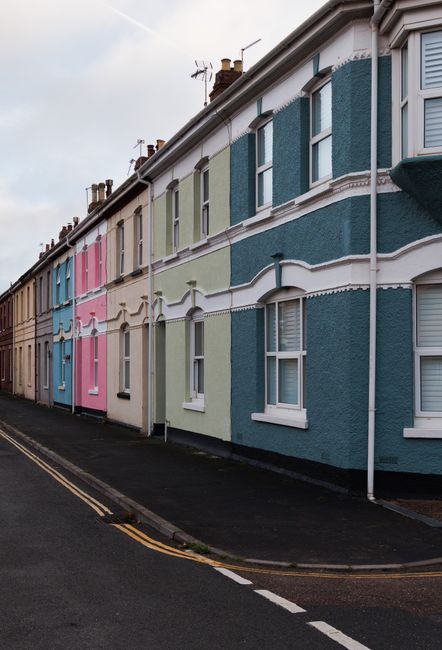
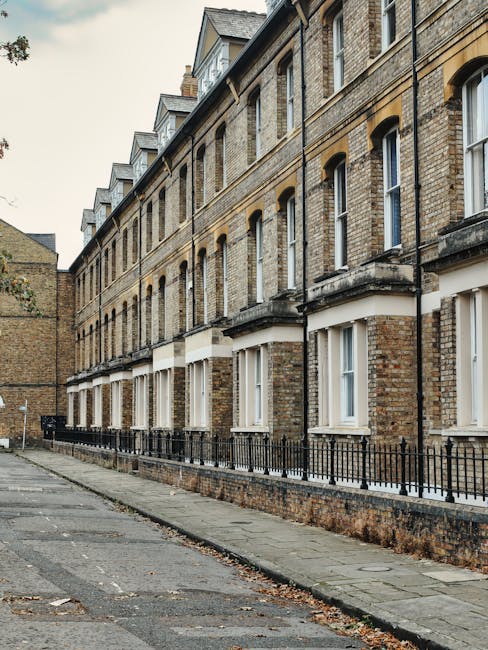
A move from a Victorian terrace to a flat is not just "house removals with fewer rooms." The shape of the buildings changes the whole job. Terraces in Brockley often come with stairs, split levels, tight hallways, front steps, and on-street parking that may be busy at the wrong time of day. Flats, meanwhile, can bring lift access, loading restrictions, resident permits, shared entrances, and rules about moving hours. Different building, different headaches.
This matters because the success of the move is usually decided before the van even turns up. If access is tight, the team needs to know. If large furniture will not fit around a stair turn, that needs solving in advance. If parking is distant, the load plan changes. A good removals plan is really a chain of small decisions that prevent expensive delays later.
For Brockley residents, there is also the local reality of busy streets, school-run traffic, and the patchwork of parking conditions around SE4. You do not need drama on moving day. You need a plan that works in the real world, not just in theory.
Expert takeaway: The best terrace-to-flat removals are won through access planning, not brute force. Measure first, lift carefully, and leave enough time for the unexpected.
How Brockley Victorian terrace to flat house removals case study Works
In practical terms, this kind of move usually follows a simple pattern. First comes the assessment: what is moving, where it is coming from, and what kind of access exists at each end. Then comes the packing and preparation stage, where fragile items, awkward furniture, and everyday essentials are separated. After that, the removal team loads items in a logical order so that the move-in at the flat is as efficient as possible.
The case-study angle is useful because it reveals the operational details that generic moving advice often skips. For example, a Victorian terrace may have a sofa that clears the front door but not the internal turn on the stairs. That means either partial dismantling or a different removal route. A flat may have lift access, but the lift might not take the size of a wardrobe. Again, that changes the plan.
Good removals work is part logistics, part care, and part timing. You want the van to arrive when the road is manageable, the team to know which items need extra handling, and the unpacking order to match how you live. Kettle first, chair second. The rest can wait a minute.
Typical moving sequence
- Survey the property layout and access points.
- Identify any items needing dismantling or special handling.
- Book packing help or prepare boxes in advance.
- Confirm parking, entry, and time windows for both properties.
- Load fragile and high-value items separately and label clearly.
- Move items into the flat in priority order.
- Reassemble and place furniture where it is needed most.
Key Benefits and Practical Advantages
There are some clear upsides to planning a Brockley terrace-to-flat move properly. The most obvious one is speed. When the route, parking, and item order are thought through, the move tends to feel less chaotic. That sounds simple, but simplicity is what saves money and nerves.
Another benefit is damage reduction. Older terraces can have narrow stairways and older finishes, while flats may have communal hallways that need to be respected. Careful handling protects both your belongings and the buildings themselves. It is a small point until a banister gets scraped or a mirror gets nudged. Then it is suddenly very important.
There is also a comfort factor. People often underestimate how much easier moving feels when the essentials are ready early. A clearly labelled box with bedding, medication, chargers, and tea supplies can make the first night in the flat feel far more settled. Small thing, big difference.
- Less lifting stress: careful planning reduces awkward carries and repeat trips.
- Better time control: fewer surprises at loading and unloading.
- Lower risk of damage: both for furniture and the property itself.
- Cleaner unpacking: items arrive in a more usable order.
- Less emotional strain: a smoother move feels manageable, not overwhelming.
Who This Is For and When It Makes Sense
This kind of move is especially relevant if you are leaving a larger Victorian terrace and heading into a smaller flat, a top-floor apartment, or a new-build with tighter access rules. It also makes sense if you have bulky furniture, a piano, family items with sentimental value, or a move date that is not especially flexible. Truth be told, even a modest household can create a lot of moving friction if the access is awkward.
It is also a good fit for anyone who wants a local, practical move rather than a broad, one-size-fits-all moving service. Brockley has enough street variation that local knowledge helps. One road may be simple to load on, while another can be frustratingly tight. You do not want to discover that on moving morning with the clock already ticking.
If you are moving with children, pets, or a tight handover window between tenancies, the value of proper planning increases again. It is not just about moving boxes. It is about reducing the number of things you need to think about at once. And frankly, there are already enough of those.
Step-by-Step Guidance
Here is the practical version, stripped of fluff. This is the sequence we would recommend for a terrace-to-flat move in Brockley, especially where access is a little fiddly.
1. Walk both properties before move day
Do not rely on memory alone. Walk the entrance, hallway, stairs, landings, and parking points. Notice low ceilings, awkward turns, restricted doorways, and any shared entry systems at the flat. A five-minute inspection can prevent a five-hour headache later.
2. Measure the awkward items
Sofas, wardrobes, mattresses, headboards, dining tables, and white goods should all be checked against the route. If something is likely to catch on the stairwell or doorway, plan dismantling in advance. You do not want the team discovering this while standing in the hallway, because that is not a fun moment for anyone.
3. Separate essentials from everything else
Create a small "first night" set of items. Think kettle, mugs, toiletries, phone chargers, bedding, towels, and documents. Keep it accessible. This is the box that saves you when everything else is in disarray.
4. Confirm parking and loading arrangements
In Brockley, parking can be the difference between a smooth move and repeated delays. Make sure you know where the van can stop, whether any permit or restriction applies, and how far the carrying distance will be. A long carry is not a disaster, but it does need time.
5. Protect floors, doors, and corners
Victorian homes often have character features that are beautiful, and a little unforgiving. Use protective coverings, furniture blankets, and sensible lifting techniques. In flats, shared spaces deserve the same respect. No one likes a chipped wall before lunch.
6. Load in a smart order
Heavy, sturdy pieces go in first. Fragile items and boxes that you will need immediately should be loaded and unloaded in an accessible way. The best teams think about the finish as well as the start.
7. Place furniture with the flat layout in mind
When unloading, do not simply drop everything in the nearest room. Think about how the flat will function in real life. Where will the bed fit best? Where does the table go? Which cupboard is easiest for the kitchen items? A little thought now saves re-shuffling later.
Expert Tips for Better Results
In our experience, the best moves are the ones where the client treats the day like a carefully managed project rather than a chaotic sprint. That does not mean overcomplicating it. It means removing friction before it shows up.
- Label by room and priority. "Kitchen - first use" is more helpful than just "Kitchen."
- Keep screws and fittings together. Tape them to the furniture bag or store them in clearly marked pouches.
- Use soft items as padding. Towels and bedding can protect lamps, mirrors, and smaller breakables.
- Leave a walking path in both properties. It sounds obvious, but clutter creates delay fast.
- Think about weather. A wet Brockley morning can make steps and pavements slippery, which matters more than people expect.
- Tell the team about tricky items early. Don't keep the "slight problem" until the van has already arrived.
One small but useful trick: make a tiny toolkit available, including a screwdriver, tape, bin bags, and a marker pen. It is hardly glamorous, but it tends to earn its keep. Every move seems to need one, even when you swore you packed it somewhere safe.
And here is a quieter piece of advice: try not to pack your whole life into random boxes marked "misc." Future you will not thank you.
Common Mistakes to Avoid
The mistakes that cause problems in terrace-to-flat removals are rarely dramatic. They are usually ordinary things that were left too late. That is why they are so common.
Underestimating access issues
A staircase that looks manageable at a glance can be a real bottleneck once large furniture arrives. Always check the route properly. Guessing is expensive.
Packing too much into one box
Heavy boxes are awkward to carry and more likely to split. Books, tools, and kitchenware can turn a box into a small disaster if overloaded. Keep them sensible.
Ignoring flat-building rules
Some flats have move-in restrictions, lift rules, or access instructions that need to be respected. Failing to check these can slow everything down, especially in shared buildings.
Leaving fragile items unprotected
Picture frames, glass shelves, and electronics need proper wrapping. Towels alone are sometimes not enough, despite what a rushed Sunday might suggest.
Forgetting the essentials box
This one is surprisingly common. People arrive at the new flat tired, hungry, and surrounded by boxes. Then they cannot find the kettle. That is not ideal.
Booking too tightly
Moves often take a little longer than expected. Build in breathing space. A schedule with no margin becomes fragile very quickly.
Tools, Resources and Recommendations
You do not need specialist kit for every move, but the right basics make a noticeable difference. Think of this section as the boring stuff that prevents excitement later. The useful kind of boring.
| Item | Why it helps | Best use |
|---|---|---|
| Strong boxes | Protects contents and stacks neatly | Books, kitchenware, clothes, mixed household items |
| Bubble wrap or paper wrap | Cushions fragile items | Glass, ceramics, lamps, frames |
| Furniture blankets | Reduces scuffs and scratches | Sofas, tables, wardrobes, white goods |
| Labels and marker pens | Makes unloading quicker | Room labels, priority notes, fragile marking |
| Toolkit | Useful for dismantling and reassembly | Beds, tables, shelving, fixtures |
| Tape and ties | Keeps items secure | Boxes, cables, dismantled parts |
If you need support beyond the basic move, services like packing and unpacking help can save time and reduce stress, especially for busy households or anyone with limited lifting capacity. For households with a lot of furniture, house removals remain the broader option, while flat removals are useful when the destination has specific access considerations.
If you are comparing service styles, it can also help to look at man and van options versus fuller removal services. The right choice depends on volume, access, and how much assistance you want on the day.
Law, Compliance, Standards, or Best Practice
For a local removal in Brockley, the main compliance concerns are usually practical rather than dramatic. That said, they still matter. Parking and loading rules should be checked in advance, especially where streets are busy or permissions are required. Shared buildings may have their own rules for moving times, lift use, and access to communal areas. If you are unsure, ask early. It is much easier than trying to sort it out while the van is waiting.
Health and safety best practice matters too. Heavy lifting should be planned, not improvised. Fragile items should be packed securely. Walkways should be kept clear. Teams should avoid blocking exits or creating trip hazards, particularly in tight Victorian stairwells where space is already limited. Good movers know this instinctively, but clients benefit from understanding it as well.
If you are using a professional service, it is wise to review details such as insurance cover, payment terms, and what is included before moving day. That is not overcautious. It is sensible. A clear understanding helps prevent confusion if something needs extra care or if access conditions change on the day. You can also read more about insurance and safety, along with health and safety policy information, to understand the standards behind a careful move.
For pricing clarity, check the available guidance on pricing and quotes before agreeing to anything. Transparent quoting is one of the easiest ways to avoid awkward surprises. Nobody enjoys those.
Options, Methods, or Comparison Table
Not every Brockley move needs the same approach. The right method depends on access, volume, and how much support you want. A quick comparison helps.
| Option | Best for | Pros | Trade-offs |
|---|---|---|---|
| Man and van | Smaller loads or short local moves | Flexible, often efficient, good for compact jobs | May be less suitable for large households or complex access |
| Full house removals | Larger properties or full household moves | More support, better for bulky items and wider inventories | Can cost more and may need tighter planning |
| Flat removals service | Apartment destinations with access issues | Designed for stairs, lifts, and communal entry points | Still needs accurate preparation from the customer |
| Packing support | Busy households or fragile contents | Saves time, improves organisation | Extra service level, so it should be planned early |
There is no perfect answer for everyone. A single person moving a few boxes and a bed frame will need something very different from a family relocating the contents of a terrace house. If you are unsure, a short discussion about the property layout and load size usually settles it quickly.
Case Study or Real-World Example
Here is a realistic example based on the kind of move people in Brockley often face. Imagine a couple moving from a Victorian terrace near a busy stretch in SE4 into a first-floor flat. The terrace has a narrow hallway, steep stairs, and a sofa that barely made it into the property in the first place. The flat has shared access, a narrow stairwell, and limited parking outside. Not impossible. Just a bit fiddly.
They begin with a walkthrough two days before the move. During that visit, they realise the wardrobe needs dismantling and the sofa will need two people guiding it at a tight turn in the staircase. They also discover that the flat's access road is likely to be busier during the school run, so they arrange a slightly earlier start. That one decision saves a lot of waiting.
On moving day, the team loads larger items first and keeps essentials separate. The mattress, bed base, and a couple of labelled boxes go in a clear order so that the new flat becomes liveable before the day is done. By late afternoon, the couple has bedding on the bed, the kettle plugged in, and a very welcome cup of tea brewing in a kitchen that still smells faintly of cardboard and fresh paint. Not glamorous, but very human. The whole thing feels manageable because the awkward parts were thought through in advance.
What makes this a useful case study is not that everything went perfectly. It is that the move was designed around the realities of the buildings, the route, and the people involved. That is the real lesson. Smooth removals are rarely accidental.
Practical Checklist
Use this checklist before the moving van arrives. It is simple, but it covers the things that usually cause trouble.
- Confirm move date, arrival time, and access details for both properties.
- Check parking or loading arrangements near the terrace and the flat.
- Measure large furniture and route pinch points.
- Separate fragile items and mark them clearly.
- Prepare a first-night box with essentials.
- Disassemble furniture that will not move safely as one piece.
- Protect floors, corners, and doors where needed.
- Keep lifts, stairwells, and entrances clear.
- Review insurance, payment, and service inclusions in advance.
- Have a toolkit, tape, and bin bags ready.
- Keep important documents and valuables with you.
- Plan where larger furniture will go in the flat before unloading starts.
If you can tick most of that off, you are already ahead of the curve. A decent move does not need heroics. It needs preparation and a steady hand.
Get a free quote today and see how much you can save.
Conclusion
A Brockley Victorian terrace to flat house move is all about respecting the shape of the job. The old building, the new flat, the access routes, the parking, the timing, the packing - it all connects. When those pieces are planned properly, the move becomes less stressful and far more predictable.
The best approach is usually the simplest: assess carefully, pack sensibly, protect what matters, and choose a service level that matches the actual move rather than an imagined one. That is the difference between a rushed day and a well-run one.
If you are planning a similar move, start with the access details and the furniture that looks awkward. Those two things usually reveal the whole shape of the job. From there, the rest becomes much easier. One step at a time, and honestly, that is enough.
Frequently Asked Questions
What makes a Victorian terrace to flat move more complicated?
The main challenges are usually narrow stairs, tight doorways, parking limits, and the different access rules at the flat. Even a short local move can become tricky if any of those are overlooked.
Do I need a full removals service for a small Brockley move?
Not always. If you have a small load and straightforward access, a man and van style service may be enough. If you have bulky furniture or a lot of boxes, a fuller removals service is often easier.
How far in advance should I book a move in Brockley?
As early as you can, especially if your move is near a weekend, month-end, or a busy local period. The more complex the access, the more useful early planning becomes.
What should I do if my sofa will not fit through the staircase?
Measure the route properly before moving day and consider dismantling the item if possible. If it still looks tight, tell the removals team early so they can plan the safest method.
Are parking restrictions a big issue in SE4?
They can be. Brockley streets vary a lot, and parking can affect how quickly loading and unloading happen. It is always worth checking the local setup before the move.
Should I pack fragile items myself or leave it to the movers?
Both can work. If you are confident and have the right materials, self-packing is fine. If you are short on time or have delicate items, professional packing support can be a sensible choice.
What is the best way to prepare for moving day?
Label boxes clearly, separate essentials, measure awkward furniture, and confirm parking and access. A small amount of preparation saves a lot of faff later on.
Can a moving team help with dismantling and reassembly?
Often yes, depending on the service you book. It is worth checking in advance so you know what is included and what needs to be prepared before arrival.
How do I avoid damage to the terrace or flat during the move?
Use protective coverings, keep routes clear, and handle larger items carefully. Good communication helps too, especially around tight corners and shared hallways.
What if I need storage between moving out and moving in?
Storage can help if your dates do not line up neatly or if you need time to stage belongings. It is often worth considering rather than rushing everything into the flat at once.
Is it worth paying for packing and unpacking services?
If you have a busy schedule, fragile items, or simply want a calmer move, yes, it can be worth it. The time saved and the reduction in stress can be very real.
What should I ask before accepting a removal quote?
Ask what is included, whether access issues affect the price, how parking or waiting time is handled, and whether insurance cover is in place. Clarity upfront is always better.
Need a smoother moving experience in Brockley? Start with a clear plan, ask the awkward questions early, and let the move feel a bit more human, a bit less frantic.