Lewisham Council Parking Rules for Brockley Removals: A Practical Guide for a Smoother Move
Moving house in Brockley sounds simple enough on paper. In real life, though, one blocked bay, one ignored sign, or one missing permit can turn a tidy moving day into a stressful, costly scramble. That is why understanding Lewisham council parking rules for Brockley removals matters before the first box is lifted. If you are planning a flat move, a family house move, or a small van job in the Brockley area, parking is not just a detail. It can decide whether the day runs smoothly or ends with delays, parking enforcement attention, and a lot of unnecessary shouting at the curb.
This guide breaks everything down in plain English: what the rules usually mean in practice, how to plan around controlled parking zones, what to check before moving day, and how to avoid the mistakes people make when they assume they can "just stop outside for ten minutes". To be fair, that approach rarely ages well in London.
For broader company information, you can also review the team's about us page, read the health and safety policy, and check insurance and safety details before booking. Those pages are useful if you want to understand the standard of service behind the move, not just the postcode.
Table of Contents
- Why Lewisham council parking rules for Brockley removals matters
- How Lewisham council parking rules for Brockley removals works
- Key benefits and practical advantages
- Who this is for and when it makes sense
- Step-by-step guidance
- Expert tips for better results
- Common mistakes to avoid
- Tools, resources and recommendations
- Law, compliance, standards, or best practice
- Options, methods, or comparison table
- Case study or real-world example
- Practical checklist
- Conclusion
- Frequently asked questions
Why Lewisham council parking rules for Brockley removals Matters
Brockley is one of those parts of south east London where street layouts can look deceptively manageable until you try to park a moving van. You may have terraced streets, resident bays, pay-and-display spaces, single yellow lines, loading restrictions, or a mix of all four within a short walk. The result is predictable: parking becomes part of the moving plan, whether you wanted it to or not.
The main reason this matters is simple. Removals need space. A van needs access close to the property. Porters need a safe route between the front door and the vehicle. And if the parking arrangement is wrong, the move slows down immediately. Boxes sit on the pavement. Furniture waits on the stairs. Someone starts circling the block. It is not elegant. It is also avoidable with a bit of forward planning.
There is also a cost angle. Parking penalties, permit problems, or avoidable waiting time can push a move beyond the original budget. And once a schedule slips, the knock-on effect is often worse than the fine itself. In practice, the parking setup affects time, cost, access, and safety all at once. That is why people searching for Lewisham council parking rules for Brockley removals are usually trying to solve more than one problem at the same time.
Expert summary: For Brockley removals, parking is part of logistics, not an afterthought. If access is planned well, the move feels calmer, quicker, and usually cheaper. If it is not, everything else gets harder.
How Lewisham council parking rules for Brockley removals Works
At a practical level, the council parking framework in Lewisham is about where vehicles may stop, for how long, and under what conditions. For removals, the important thing is not memorising every road sign in the borough. It is understanding the type of restriction on the street outside the property and how that affects loading on moving day.
In Brockley, you are likely to encounter one or more of these setups:
- Resident permit bays where parking may be limited to permit holders only.
- Pay-and-display bays that may allow short stays, subject to payment and timing limits.
- Single yellow lines with time-based restrictions that can vary by location.
- Double yellow lines where waiting is generally not allowed, although loading exemptions can sometimes apply in specific circumstances.
- Suspended bays if the council has temporarily restricted parking for works, events, or other reasons.
- Loading areas or marked bays intended for short-term stopping.
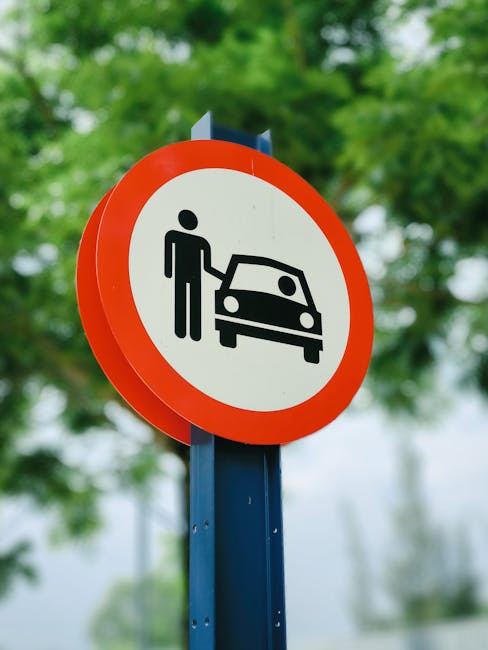
For a removal van, the big question is not just "Can we park here?" but "Can we stop here long enough to load safely?" That is an important distinction. A brief stop for active loading may be treated differently from general parking, but the exact permission depends on the restriction in place and the circumstances at the time. This is where a little caution saves a lot of trouble. If you are unsure, assume a restriction may apply and plan around it rather than hoping for the best.
It also helps to think about timing. Early mornings can be quieter, but they can also mean school traffic, bin collections, or the first wave of residents leaving for work. Midday may offer better visibility of available space, while evenings can be inconvenient for neighbours and risky if a permit bay turns busy. In other words, the best time is not always the obvious one.
A sensible Brockley move usually starts with a street check, then a parking check, then a loading plan. Not the other way round. A lot of people do the reverse and then wonder why the van is three streets away with a wardrobe in the rain. Happens more often than you'd think.
What you should check before moving day
- Whether the street outside the property is within a controlled parking area.
- Any signs showing hours of restriction, loading limits, or permit-only conditions.
- Whether the van can legally wait while items are carried out.
- Whether there is a safer alternative stop nearby.
- Whether neighbours, building managers, or block notices affect access.
Key Benefits and Practical Advantages
Getting the parking side right does more than help you avoid a ticket. It improves almost every part of the move. That is why experienced movers care so much about it. They know parking is where theory meets reality.
1. Faster loading and unloading
When the van can stop close to the door, the team spends less time walking long distances and more time doing the actual move. That may sound minor, but over a full house move it adds up quickly.
2. Lower risk of damage
Long carry distances mean more opportunities for knocks, dropped items, and awkward turns on stairs or pavements. Better parking reduces the route between property and van, which usually reduces risk too.
3. Less stress for everyone
Moving day already comes with enough moving parts. If the parking is sorted, there is one fewer thing to worry about. Truth be told, that can make the whole day feel much more manageable.
4. Better neighbour relations
Blocking drives, standing in entranceways, or taking up spaces without planning can annoy the people living around you. Good parking etiquette keeps the move cordial, which matters in a close-knit street like many in Brockley.
5. Cleaner budgeting
When the van is close, the job is usually more efficient. That can help prevent avoidable extra time on the clock, especially if you are booking help by the hour or trying to keep a chain of tasks on schedule.
6. Fewer compliance headaches
Following the correct parking approach helps reduce the chance of an enforcement issue. Nobody wants a move overshadowed by a notice tucked under the wiper blade. Nobody.
Who This Is For and When It Makes Sense
This guidance is useful for anyone moving in or out of Brockley, but some people need it more urgently than others. If any of these sound familiar, you will want to plan parking early.
- Homeowners arranging a full property move.
- Tenants moving between flats with limited street access.
- Landlords and letting agents coordinating changeovers.
- Students or sharers moving with a small van and multiple stops.
- Families with children, prams, pets, and a lot of boxes to juggle.
- Older residents who need the move to feel less physically demanding.
It also makes sense if your building has awkward access, narrow stairs, or no private driveway. Brockley has plenty of streets where the only realistic loading point is the public road. In those cases, parking planning becomes part of the service design, not just a bit of admin.
And if you are comparing service providers, it helps to look at more than just the vehicle size. You might also want to review pricing and quotes so you can understand how access, time, and parking conditions may affect the final cost. Likewise, the terms and conditions page is worth a read if you want to know how bookings, delays, and service expectations are handled.
Step-by-Step Guidance
If you want a smooth move in Brockley, treat parking like a mini project. Keep it practical. Keep it simple. Here is a sensible sequence.
- Inspect the street outside the property
Look at the signs on both sides of the road, not just the nearest one. Restrictions can change by bay, by zone, or by time of day. - Identify the most realistic stopping point for the van
That might be outside the front door, but it might also be a short walk away if the road layout is tight. Plan with reality, not optimism. - Check whether loading is likely to be permitted
If the area is heavily restricted, do not assume loading is fine. Double yellow lines, permit bays, and timed restrictions can all affect what you can do. - Consider bay suspension or temporary works
A parked skip, roadworks, or scaffolding can suddenly remove the space you intended to use. This happens. A lot. - Build the move schedule around access
Tell everyone when the van arrives, when key items need to be ready, and whether there are timing windows you must not miss. - Protect the walking route
Clear hallways, secure doors, and make sure there is enough space for furniture to pass without snagging or scraping. - Keep documentation handy
If you have permit details, booking references, or written confirmations, keep them easy to show if needed. - Stay flexible on the day
A blocked bay or a neighbour's car can change the plan quickly. A little flexibility goes a long way.
If you are using a man and van team, tell them about access issues in advance. A driver can often make a better judgement from a clear description than from a rushed assumption on arrival. That one conversation can save a half-hour of faffing around, which no one needs at 8:15 on a wet Tuesday morning.
Expert Tips for Better Results
Here are the practical points that often separate a smooth move from a stressful one. They are small, but they matter.
1. Plan for the heaviest item first
If a sofa, wardrobe, or bed frame needs the clearest route, design the parking position around that item. The biggest objects should shape the logistics, not the other way round.
2. Give yourself more room than you think
Street parking always looks easier when you are standing on the pavement with no time pressure. In reality, vans need space to manoeuvre, doors need opening room, and you may have to pause while someone carries a bulky item through.
3. Avoid assuming the bay outside is available all day
Even if the space looks empty at 7 a.m., it may become unusable later due to local restrictions or resident demand. This is one of those little traps that catches people out.
4. Keep neighbours informed where appropriate
A short note, a quick chat, or a polite heads-up can prevent friction. People are usually more understanding when they know a move is happening.
5. Use the quiet bits of the day wisely
If your route is near shops, schools, or busier junctions, the best parking and access window may be earlier than expected. Sometimes the calmest moment is the one before the street fully wakes up.
6. Think about return loading too
People focus on unloading at the new place, but leaving the old property can be just as awkward. Make sure both ends of the move have a plan. Otherwise you are solving the same problem twice.
7. Put safety ahead of speed
A faster stop is not always the safer stop. Forcing a van into a tight space can create issues for pedestrians, cyclists, and the team carrying items. A slightly longer walk is sometimes the better trade-off.
For a company-oriented perspective on standards and approach, the health and safety policy and insurance and safety pages can help reassure you that good moving practice is not just about convenience. It is about care, too.
Common Mistakes to Avoid
A lot of parking trouble during removals comes from the same handful of errors. They are easy to make because moving day is busy and people are thinking about a hundred things at once.
- Assuming loading is automatically allowed on every yellow line or near every curb.
- Leaving parking checks until the morning of the move.
- Forgetting that another vehicle may already be in the best stopping position.
- Not factoring in time needed for stairs, lifts, or awkward furniture.
- Failing to brief the removal team on access restrictions.
- Ignoring temporary signs, suspended bays, or roadworks.
- Underestimating how long the van will need to be in place.
- Parking in a way that blocks driveways or creates conflict with neighbours.
One subtle mistake is overconfidence. People often think, "It'll probably be fine for half an hour." But moving rarely runs to a neat half-hour schedule. The last box always takes longer than expected, and that is just the way of it.
Another common issue is poor communication. If one person thinks the van can park outside and another knows the street is restricted, you get confusion before the boxes are even out. Better to over-communicate a little than discover a parking problem at the kerb.
Tools, Resources and Recommendations
You do not need fancy tools to manage parking for a Brockley move, but a few practical resources make the job easier.
- Printed moving plan with arrival time, access notes, and key contacts.
- Mobile phone ready for coordination so the driver and the household can stay in touch.
- Basic tape, labels, and a room-by-room packing system to reduce time spent carrying awkward mixed boxes.
- Measuring tape for checking whether larger furniture can safely pass through tight areas.
- Clear signage for family or helpers so everyone knows where items should go.
It also helps to review the business side of the move before booking. If you want clarity on how quotes are handled, the pricing and quotes page is useful. If you are arranging payment in advance or want a sense of how transactions are managed, payment and security may answer a few questions before they even come up.
For sustainability-minded moves, there is also a recycling and sustainability page that may be helpful if you are clearing unwanted items responsibly while you move. That can be a neat way to reduce clutter without turning the whole process into a second job.
Law, Compliance, Standards, or Best Practice
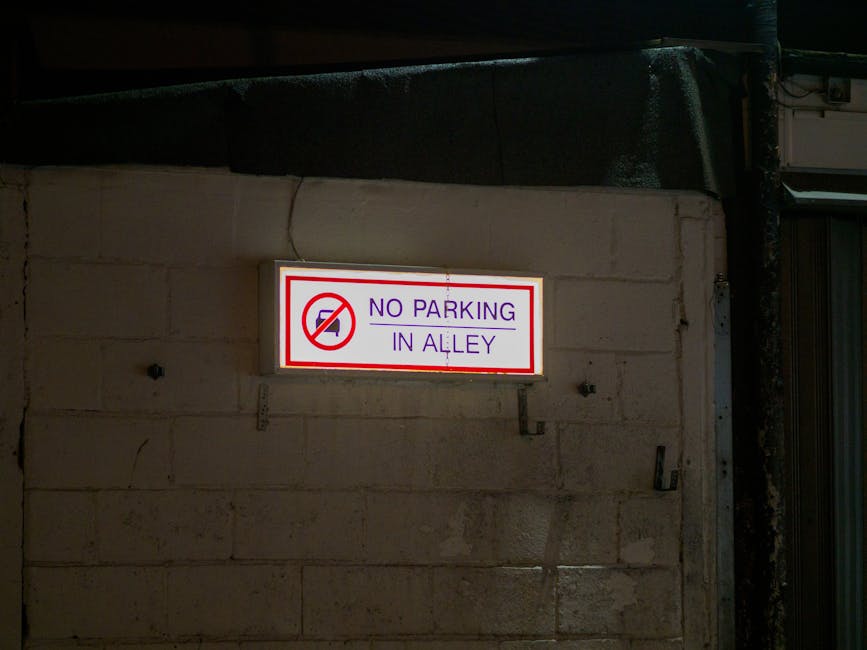
Parking and loading in London are governed by local restrictions, signs, and road markings, so the safe approach is to treat the displayed rules as the decisive guide for that street. In practice, that means you should not rely on habit, neighbour advice, or what "usually happens" on similar roads. Street-by-street conditions can vary, and those details matter on moving day.
For removals, best practice is to:
- follow the signs and markings at the exact location where the vehicle stops,
- avoid blocking pedestrians, driveways, or emergency access,
- plan for loading windows rather than assuming unrestricted waiting,
- keep the team informed about any time limits or access changes,
- take a cautious approach where the restriction is unclear.
That may sound a bit plain, but plain is good here. The parking side of a move is not the place for creative interpretation. If something is uncertain, treat it as uncertain and plan around it. It is the safest and most professional way to handle it.
It is also sensible to work within the service's published processes and expectations. If you want to understand how the company handles service issues, see the complaints procedure. And if you want broader background on the business, the homepage gives a quick overview of the local service.
Options, Methods, or Comparison Table
There are usually a few ways to handle parking for a Brockley removal. The right choice depends on the street, the vehicle, and the amount of furniture you are moving. Here is a simple comparison.
| Option | Best for | Pros | Trade-offs |
|---|---|---|---|
| Park directly outside the property | Short, straightforward moves with accessible roads | Fast loading, shorter carry distance, simple coordination | May not be available on restricted streets or busy days |
| Use a nearby legal loading point | Areas with controlled parking or narrow roads | More realistic in busy zones, less likely to conflict with restrictions | Longer carry distance, may require extra time |
| Arrange timed access around quieter periods | Moves with flexible schedules | Can reduce congestion and improve access | Works only if timing can be controlled carefully |
| Use multiple short shuttle trips | Very tight streets or complex access | Can be practical where one long stop is impossible | More time-consuming and may increase labour effort |
In many Brockley streets, the second option is the realistic one. It is not glamorous, but it is often the most sensible. The aim is not perfection. It is a calm, legal, efficient move that gets everyone through the day without drama.
Case Study or Real-World Example
Here is a typical scenario. A couple moving from a top-floor flat in Brockley assume they can stop the van in the resident bay directly outside their building. On the morning of the move, the bay is already occupied, and the next nearest space is across the road with a time restriction displayed on the sign. They have a sofa, a dining table, and a lot of boxed kitchen equipment. The move starts to slip almost immediately.
Now compare that with a better-planned version. The household checks the street the day before, notes the parking pattern, and prepares a short loading window with the removal team. The van is placed in the nearest realistic legal space, trolleys are ready, and the heavier furniture goes first. The walk is slightly longer, yes, but the job stays controlled. Fewer pauses. Fewer grumbles. Less chance of one person standing in the doorway asking where the kettle went. Everyone knows that feeling.
The difference is not luck. It is parking awareness. Simple as that.
Practical Checklist
Use this checklist before the move starts.
- Confirm the exact moving address and access points.
- Check street signs and bay markings outside the property.
- Identify the most suitable stopping point for the van.
- Look for suspended bays, roadworks, or temporary restrictions.
- Plan loading and unloading windows realistically.
- Tell the removal team about stairs, lifts, or narrow entrances.
- Keep contact numbers ready on the day.
- Protect hallways and door frames where items may pass through.
- Agree where boxes and furniture should be placed at the destination.
- Review service terms, insurance, and payment details before booking.
Quick tip: If you can solve the parking question the day before, you usually avoid solving it in a rush on the day itself. That is worth its weight in cardboard.
Conclusion
Lewisham council parking rules for Brockley removals are not just a bureaucratic side note. They shape how easy, safe, and efficient your move will be. If you get the parking right, the whole day tends to flow better. If you get it wrong, everything else feels harder than it should.
The good news is that a little planning goes a long way. Check the street. Read the signs. Allow for loading time. Tell the team what to expect. Keep a backup plan in mind. That is usually enough to turn a potentially messy move into a smooth one, even on a busy Brockley street with tight kerbs and impatient traffic.
If you are preparing a move and want a clear, local-friendly approach, take a moment to review the service information, confirm your access needs, and make the parking plan before the boxes pile up. It really does make a difference.
Get a free quote today and see how much you can save.
And if you are still in the planning stage, that is perfectly fine. A thoughtful move is almost always a calmer move, and a calmer move is a better one.
Frequently Asked Questions
Do I need permission to park a removals van in Brockley?
Not always, but you do need to follow the restrictions shown on the street. If the area is controlled, the sign or bay marking will determine what is allowed. For removals, the key question is whether short-term loading is permitted and whether the van can stop safely without breaching the local restriction.
Can a removals van stop on double yellow lines in Lewisham?
Sometimes loading may be possible in certain circumstances, but you should never assume that stopping is automatically allowed. The exact situation depends on the location, the signs, and the nature of the loading. When in doubt, use a safer legal stopping point.
What should I check before moving day?
Check the street signs, bay markings, loading restrictions, and any temporary suspensions or roadworks. Also think about whether the van can get close enough to the property for a safe and efficient move. A quick street survey the day before can save a lot of stress.
How far in advance should I plan parking for a Brockley move?
Ideally, as early as you plan the move itself. Parking is one of the first things to sort because it affects vehicle size, moving time, and access. Leaving it until the morning of the move is a bit of a gamble, and not a good one.
What happens if the best parking space is already taken?
You will need a backup plan. That could mean using a nearby legal space, adjusting the loading route, or changing the arrival timing. This is why it helps to discuss access with the removal team before the day arrives.
Are resident bays usable for removals?
They may be, depending on the rules in that location and the circumstances at the time. Some streets permit short loading, while others are stricter. Do not rely on guesswork; check the local signs and plan accordingly.
Will parking problems make my move more expensive?
They can. Extra walking distance, delays, and extended job time may all affect the overall cost. Even when there is no direct penalty, poor parking access can make the move less efficient, which often shows up in the final bill somewhere.
What is the safest way to handle tight Brockley streets?
The safest approach is to choose the nearest realistic legal stopping point and keep the route between the van and property clear. It may not be the fastest option, but it usually reduces risk and keeps the team moving steadily.
Should I tell my neighbours about the move?
Yes, if it is practical to do so. A quick heads-up can help avoid complaints and makes the day easier for everyone around you. People are often more patient when they know the move is temporary and handled respectfully.
Where can I find help if I am unsure about the parking setup?
Start by reviewing the move details, checking the street outside the property, and contacting the removals provider for access advice. You can also look at the company's contact us page if you want to discuss the move directly before booking.
Is it worth paying more for a service that understands local parking?
Usually, yes. Local awareness can save time, reduce confusion, and make the move less stressful. In a place like Brockley, where parking can change from one block to the next, local experience is often worth more than people expect.
What if my building has no obvious loading space?
Then the move needs a more careful access plan. You may need a nearby legal stopping point, a shorter shuttle route, or more time allowed for carrying items. This is common in London flats, so it is nothing unusual, just something to plan properly.