Lewisham rules for electrical disposal during Brockley removals
If you are moving in Brockley, electrical disposal can sneak up on you fast. One minute you are sorting boxes, the next you are staring at a kettle that works, a dead monitor, three chargers with no known owner, and an old TV that definitely will not make it to the new place. The Lewisham rules for electrical disposal during Brockley removals matter because electrical items are not just ordinary rubbish. Some can be reused, some need special recycling, and some should be handled carefully for safety.
This guide walks you through what counts as electrical waste, how disposal usually works in Lewisham, what to do during a move, and how to avoid the small mistakes that turn a clean-up into a headache. It is written for real people in the middle of a real move, not for robots in a cupboard somewhere.
Table of Contents
- Why Lewisham rules for electrical disposal during Brockley removals matters
- How Lewisham rules for electrical disposal during Brockley removals works
- Key benefits and practical advantages
- Who this is for and when it makes sense
- Step-by-step guidance
- Expert tips for better results
- Common mistakes to avoid
- Tools, resources and recommendations
- Law, compliance, standards, and best practice
- Options, methods, and comparison table
- Case study or real-world example
- Practical checklist
- Conclusion
- Frequently Asked Questions
Why Lewisham rules for electrical disposal during Brockley removals matters
Electrical items are a special category for a reason. They may contain batteries, wires, circuit boards, glass, plastics, and sometimes materials that should not be mixed with general household waste. When you are moving house, flat, or office in Brockley, the pressure to clear things quickly can tempt people into a short-cut. That is usually where trouble starts.
Lewisham rules for electrical disposal during Brockley removals matter because they help you separate what can be reused, what can be recycled, and what must go through the right route. That reduces the risk of contamination in recycling streams, protects people who handle waste later, and keeps your move tidier. To be fair, it also stops that strange moving-day pile-up where broken appliances sit in the hallway for three days and nobody wants to claim them.
There is also a practical angle. Electrical waste is awkward. A microwave does not fit neatly into a black bag. A printer is bulky, a lamp can be fragile, and a desktop computer may still contain data you do not want floating around. If you deal with these items early, the whole removal becomes calmer and much more manageable.
For Brockley residents, the local factor matters too. Parking, tight stairwells, shared entrances, and limited storage space can make it harder to keep unwanted electricals around until after the move. A sensible disposal plan is often just as important as the packing plan. In our experience, the smoother removals are the ones where electricals are sorted before the van arrives, not during the final ten-minute panic.
How Lewisham rules for electrical disposal during Brockley removals works
The basic idea is simple: do not treat electrical items like normal waste. During a Brockley move, you should identify each item, decide whether it is reusable, and then choose the most suitable disposal path. That may mean reuse, separate recycling, or, where appropriate, specialist collection.
Most people start by separating items into broad groups:
- small electricals such as kettles, toasters, hairdryers, chargers, and lamps
- medium appliances such as vacuum cleaners, printers, fans, and microwaves
- larger items such as televisions, washing machines, fridges, and freezers
- electronics with personal data, such as laptops, phones, tablets, and routers
Some items may be working and suitable for donation or resale. Others may be damaged but still recyclable through the correct waste stream. A few may need extra care, especially if they contain batteries or refrigerants. You do not need to become a waste expert overnight, thankfully. You just need to avoid mixing everything together and hoping for the best.
In many moves, the easiest approach is to sort electricals before moving day and keep them in a separate area. If an item is going with you, label it clearly. If it is being thrown out, recycled, donated, or collected separately, mark it so it never gets accidentally loaded into the van. This tiny bit of organisation saves real time later.
There is also a commercial side to this. If you are using removals or booking a smaller move through man and van support, it helps to tell the team in advance which electrical items are staying, which are leaving, and whether anything needs careful handling. That keeps everyone on the same page and avoids surprise lifting jobs in the middle of the staircase.
Key benefits and practical advantages
Following the Lewisham rules for electrical disposal during Brockley removals is not just about staying on the right side of local expectations. It gives you real, everyday benefits.
- Less moving-day stress: sorted electricals make packing clearer and faster.
- Better safety: you reduce the chance of damaged wires, leaking batteries, or broken screens causing problems.
- Cleaner recycling: electrical waste can be processed more effectively when it is kept separate.
- Less clutter in the new home: you do not end up paying to move things you already meant to discard.
- Better data protection: phones, laptops, and tablets can be handled before they leave the property.
- Smarter use of space: one less box of mystery cables is always a win.
There is also a financial upside, though it is subtle. If you dispose of unwanted electricals before the move, you may avoid paying to transport bulky junk, and your new space starts off cleaner. That is especially useful if you are moving into a compact Brockley flat where every bit of storage counts.
Expert summary: The best electrical disposal plan is usually the simplest one: decide early, separate items properly, and use the correct route for each type of appliance or device. The goal is not perfection. The goal is no last-minute chaos.
Who this is for and when it makes sense
This advice is useful for almost anyone moving in or out of Brockley, but it becomes especially helpful in a few common situations.
- Home movers: if your house or flat has built-up clutter in cupboards, lofts, or spare rooms.
- Students: if you are leaving furnished accommodation and have cheap but annoying items to clear.
- Landlords and tenants: if old appliances need to be removed before handover.
- Office movers: if you are replacing monitors, printers, phones, or desktop equipment.
- Families downsizing: if duplicate small appliances are being left behind.
- Anyone with broken or outdated electronics: the kind that stays in the back of a wardrobe for years. We all have one, or two, or six.
It also makes sense if you are planning a broader move and want one clear system for all unwanted items. For example, if you are using house removals or flat removals, sorting electrical disposal alongside packing can save a surprising amount of time on moving day. For business premises, office removals and commercial moves often generate even more old equipment, so a plan matters even more.
Step-by-step guidance
Here is a practical way to handle electrical disposal during a Brockley removal without overcomplicating it.
- Walk the property early. Open cupboards, under-bed storage, loft boxes, desk drawers, and garden sheds. Electrical waste hides in odd places.
- Make three piles. One pile for keep, one for reuse or donation, and one for disposal or recycling.
- Check for batteries and data. Remove loose batteries where possible and make sure phones, laptops, and tablets are wiped before leaving the property.
- Separate hazardous or awkward items. Fridges, freezers, and some large appliances need more careful handling than a toaster or lamp.
- Keep cables with their device if possible. It sounds obvious, but power leads vanish into the same black hole as sock pairs.
- Label everything clearly. Use short notes like "take," "recycle," or "donate."
- Tell your removal team in advance. If you are booking removal services, let them know about any awkward electricals or items that should not be loaded.
- Arrange the right final route. Reusable items go one way, waste electricals go another, and anything with sensitive data gets treated separately.
A useful trick is to do this sorting before the final packing rush begins. If the kettle is still on the counter at 7.45 a.m. on moving day, the whole process feels messy. If it was sorted two evenings earlier, life is calmer. Simple, but it works.
If you need short-term breathing room, especially during staggered moves or key delays, storage can be helpful for items you are keeping but cannot move in immediately. Just make sure you are not storing unwanted electrical junk by accident.
Expert tips for better results
A few small habits make electrical disposal far easier during a Brockley move.
- Start with the highest-clutter rooms. Home offices, utility rooms, and spare bedrooms usually contain the most forgotten electronics.
- Take photos of complex setups. If you have a tangle of AV equipment, a quick photo before unplugging helps later.
- Group by size and weight. Small gadgets can be boxed together, but keep heavy items separate so nobody gets an unpleasant surprise lift.
- Use the move as a reset. If a device has not been used in a year, ask yourself honestly whether it deserves space in the new home.
- Check plugs and cords for damage. Frayed wires are not the kind of thing you want jostling around in a van.
- Keep documentation for valuable electronics. For expensive items, make a note of serial numbers and condition before they move.
One more small but important point: think about timing. If you are moving on a Friday afternoon, do not leave electrical disposal decisions until Friday morning. You will feel rushed, and rushed decisions are rarely good ones. A slow cup of tea and twenty minutes of sorting can save a whole lot of grief.
If your move is fast-moving or time-sensitive, same day removals can still work well, but only when electrical items are pre-sorted. That part is non-negotiable, really.
Common mistakes to avoid
Most electrical disposal problems during moves come from a handful of very ordinary mistakes.
- Putting e-waste in general rubbish: it is the easiest mistake to make and the hardest to justify later.
- Forgetting personal data: old phones and laptops can still hold private information.
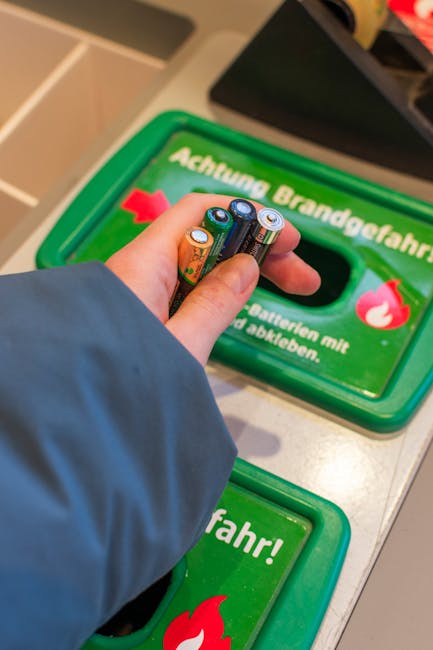
- Leaving batteries loose in boxes: they can short, leak, or get damaged.
- Mixing keep and dispose piles: this usually happens when the moving day is already chaotic.
- Assuming everything can go in one collection: it rarely does.
- Not checking whether an item is reusable: a working monitor or lamp may still be useful to someone else.
- Trying to move broken large appliances at the last minute: they are heavy, awkward, and annoying. A terrible trio.
The biggest issue is usually not the law itself. It is timing. People leave electrical disposal too late, and then the move becomes a scramble. If you avoid that one habit, you are already ahead.
Tools, resources and recommendations
You do not need fancy equipment to manage this properly. A few basic tools are enough.
- Marker pens and labels: for marking keep, donate, recycle, or dispose.
- Sturdy boxes: good for small electrics, cables, and accessories.
- Zip bags or cable ties: useful for keeping plugs and cords together.
- Phone camera: handy for photographing cable layouts and serial numbers.
- Basic cleaning cloths: useful if you are passing on items in decent condition.
On the planning side, it is worth using services that support the whole move rather than just the lifting. If you need help with packing, packing and boxes or packing and unpacking services can make electrical sorting easier because boxes are prepared in a more organised way. If the move is simple, man with van support may be enough. If there is more volume, a moving truck or removal van may suit better.
You can also look at a provider's wider approach to waste and handling. A company that talks clearly about sustainability and safe handling, such as its recycling and sustainability approach, is usually a better fit for environmentally aware moves.
Law, compliance, standards, and best practice
Without pretending this is a legal lecture, it helps to know the broad picture. Electrical waste in the UK is usually managed under rules that expect it to be treated separately from ordinary household rubbish. In practical terms, that means you should not throw electrical items into general bins if a separate route is required. Local councils, recycling facilities, and waste handlers commonly expect e-waste to be separated and handled through appropriate channels.
For Brockley removals, the safest approach is to assume that anything with a plug, battery, circuit board, or screen needs a second look. That includes small gadgets as well as larger appliances. Special care is sensible for fridges, freezers, and items with refrigerants. Likewise, anything storing personal information should be wiped before disposal or handover.
Best practice also includes safe handling. If an item is broken, cracked, leaking, or visibly damaged, do not keep moving it around unnecessarily. Set it aside, label it, and avoid making it part of the normal packing flow. That might sound a bit cautious, but cautious is good here.
If you are arranging a move through professional support, it is worth checking the provider's health and safety policy and insurance and safety information. For business customers, terms and conditions also matter because they clarify responsibilities around loading, handling, and items left for disposal. You do not need to read every line like a detective novel, but a quick scan can prevent misunderstandings.
Options, methods, and comparison table
There is more than one way to deal with electrical disposal during a move. The right option depends on the item, its condition, and how quickly you need it gone.
| Method | Best for | Pros | Things to watch |
|---|---|---|---|
| Reuse or donation | Working items in decent condition | Useful, low waste, often quickest if accepted | Check cleanliness and condition first |
| Separate recycling | Broken or outdated electricals | Suitable for many small and medium devices | Needs sorting and correct drop-off or collection |
| Professional removal support | Bulky or awkward items during a full move | Less lifting, less stress, better coordination | Confirm in advance what is being moved versus discarded |
| Short-term storage | Items you may keep but cannot place yet | Buys time during staggered moves | Do not use it as a holding pen for rubbish |
In many Brockley moves, a blended approach works best. Keep the items you actually need, donate or sell what still has life in it, and recycle the broken or obsolete kit. That is usually the least messy route, and honestly, the most satisfying one too.
Case study or real-world example
Picture a two-bedroom Brockley flat moving out on a damp Tuesday morning. The tenants have a printer that no longer works, an old microwave, a lamp with a cracked shade, two spare routers, and a laptop they have not used in years. Everything is in the hallway. The van is due by midday, and the hallway is narrow enough to make anyone slightly nervous.
Instead of packing everything together, they sort the items the night before. The laptop gets data wiped. The cables go into a labelled bag. The printer and microwave are separated as disposal items. The lamp is checked and turned out to be reusable after a new bulb and a quick clean. The routers are boxed with notes. By the time the movers arrive, the keep items are clearly marked and the disposal items are already out of the way.
The result is not glamorous. Nobody is celebrating the absence of a printer. But the move runs faster, the flat clears more cleanly, and nobody is making decisions with a wobbling kettle in one hand and a box in the other. That is a real win.
This is also where sensible planning with home moves or student removals can make life easier. Smaller moves often become smoother when electricals are sorted the day before rather than during the loading phase.
Practical checklist
Use this before moving day. It is short on purpose.
- Identify every electrical item in the property.
- Separate keep, reuse, recycle, and dispose piles.
- Remove personal data from phones, laptops, tablets, and drives.
- Take out loose batteries where possible.
- Wrap fragile electronics properly.
- Label items that are leaving the property.
- Keep cables, chargers, and plugs with the correct device.
- Check which bulky items need special handling.
- Tell your removal team what is staying and what is not.
- Do a final sweep of cupboards, desks, sheds, and under-bed storage.
Quick reminder: if an item feels awkward to lift, should probably not be left until the final ten minutes. That is one of those truths nobody argues with on moving day.
Conclusion
Lewisham rules for electrical disposal during Brockley removals are really about common sense, good timing, and a little bit of care. If you sort electrical items early, keep them separate, and choose the right route for each one, your move becomes safer, tidier, and much less stressful.
The nice part is that this does not need to be complicated. A few labels, a short sorting session, and a clear plan are often enough. Once that is done, the rest of the move feels lighter. Less clutter. Less confusion. More space to breathe.
Get a free quote today and see how much you can save.
And if nothing else, remember this: a good move is not just about getting things from one address to another. It is about arriving with a bit more calm than you left with. That matters more than people think.
Frequently Asked Questions
What counts as electrical waste during a Brockley move?
Anything with a plug, battery, circuit board, screen, or electrical function should be treated as electrical waste if you are not keeping it. That includes small gadgets, appliances, and many office devices.
Can I put old electrical items in general rubbish?
Usually, no. Electrical items are generally handled separately from standard household waste. The safer approach is to sort them for reuse, recycling, or the correct collection route.
Do I need to wipe my laptop or phone before disposal?
Yes, that is strongly recommended. Phones, laptops, tablets, and similar devices may contain personal information, so data wiping should happen before they leave the property.
What should I do with broken appliances during removals?
Set them aside, keep them separate from items being moved, and make sure they are directed into the correct disposal or recycling route. Do not mix damaged electricals with general packing.
Can useful electrical items be donated instead of recycled?
Yes, if they are clean, working, and acceptable to the receiving organisation or person. Reuse is often the best first option when an item still has life left in it.
How early should I sort electricals before moving day?
Ideally a few days before the move, or earlier if you know you have bulky or awkward items. The earlier you sort, the calmer the final packing stage will feel.
What happens to cables and chargers?
Keep them with the device they belong to where possible. If they are loose spares, bundle them clearly and label them so they do not disappear into a box of random clutter.
Are fridges and freezers treated differently?
Yes, they often need extra care because they are large, heavy, and may contain materials that require special handling. Treat them separately and do not leave them until the last minute.
Should I tell my removal team about electrical disposal?
Absolutely. If you are using removal help, it is sensible to explain which items are moving, which are being recycled, and which need careful handling. That avoids confusion and wasted lifting.
Is storage a good place for unwanted electronics?
Usually not. Storage is best for items you still want to keep but cannot place yet. If something is unwanted, it is better to sort it out rather than pay to store clutter.
What if I am moving out of a flat with very little space?
Then planning matters even more. Sort electricals early, keep the disposal pile separate, and make sure fragile items are not blocking the hallway or the final exit route.
How do I keep the move environmentally sensible?
Reuse what you can, recycle what you cannot, and avoid sending reusable items to waste. A clean sort before moving day usually makes the most sustainable choice the easiest one too.